Medical Loupes That Improve Surgical Precision, Magnification, and Accuracy
By Medi Loupes | Jan 30, 2026
Medical loupes enhance precision, magnification, and ergonomic performance for clinicians performing detailed work. This article focuses on the optical science and clinical research behind their use rather than specific products. For additional context, see the medical loupes section.

How Medical Loupes Improve Surgical Precision
Multiple peer reviewed studies confirm that optical magnification improves fine motor control and technical accuracy. Research published in the Journal of Surgical Education showed that surgical trainees using magnification completed suturing tasks with significantly fewer errors and improved knot consistency compared to those using unaided vision. By enlarging the operative field, loupes improve visual discrimination of tissue planes, vessel margins, and fine anatomical structures, particularly in low contrast or confined environments. These gains are closely tied to maintaining adequate field of view and high optical clarity, both of which reduce the need for repeated repositioning.
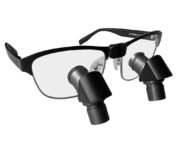
Depth perception further contributes to precision. Binocular optical systems allow both eyes to converge on a single focal plane, creating true stereoscopic vision rather than flat enlargement. Proper alignment to the user’s interpupillary distance minimizes visual strain and image drift during extended procedures. When magnification is paired with an appropriate working distance, clinicians are able to maintain stable hand positioning and consistent posture throughout complex tasks.
Contact Us
Magnification, Depth of Field, and Visual Performance
Magnification power directly determines how much anatomical detail can be resolved, but it also affects depth of field. Lower magnification levels provide a broader depth range, allowing clinicians to move slightly without losing focus, which is often beneficial for general surgical and diagnostic work. Higher magnification narrows the depth window while increasing detail resolution, making it more suitable for microsurgical and restorative procedures. Ergonomics research published in Applied Ergonomics indicates that selecting magnification appropriate to task complexity reduces visual fatigue and improves task efficiency.
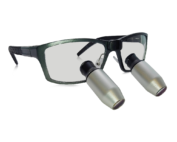
Optical design helps manage these tradeoffs. Systems that incorporate internal prisms reduce optical length while supporting higher magnification, improving balance and image stability. Integrated designs that align optics directly within the carrier lens improve consistency across the visual field. Educational resources available through how to use guidance explain how magnification, posture, and visual performance interact in day to day clinical use.

Ergonomics and Musculoskeletal Health in Clinical Settings
Musculoskeletal disorders are highly prevalent among healthcare professionals. According to data published by the American Dental Association, more than 60 percent of dentists report chronic neck or back pain during their careers. Poor visual ergonomics are a major contributor, as clinicians often compensate for inadequate visibility by leaning forward or tilting the head. Loupes configured with a proper angle of declination allow the eyes to look downward while keeping the head upright, supporting a neutral spinal posture.
Overall system fit is equally important for long term comfort. Proper ergonomic fit depends on balanced weight distribution, stable mounting, and consistent illumination. Secure frame compatibility and reliable headlight attachment reduce unnecessary movement and postural compensation. Many clinicians seek individualized fitting support through contact us resources to ensure their setup supports daily clinical demands.
The Bottom Line
Choosing Loupes Based on Clinical Role and Training Level
Visual requirements vary significantly by specialty and procedure type. Surgeons often require higher magnification and longer working distances, while hygienists and general practitioners may prioritize wider visual coverage and flexibility. Educational resources such as best surgical loupes and dental hygienist loupes outline how optical needs differ across disciplines, helping clinicians match magnification and optics to their workflow.
Training stage also plays a key role in loupe selection. Students and residents benefit from systems that support skill development without excessive visual restriction. Programs like the student residency discount program emphasize proper fitting and education early in training. Reviewing available configurations through all products and learning from practitioner experiences shared in testimonials helps support informed, evidence based decisions grounded in real world clinical use.
Contact Us Today and experience the difference that ergonomic dental loupes can make in your practice and unlock new levels of comfort, precision, and efficiency.